Understanding and Addressing Mold in Carpet Padding
Why Carpet Padding Becomes a Mold Hotspot
Most people think of carpet as the top layer. But the real trouble often starts below, in the carpet pad. That foam or rubber layer sits against the subfloor, absorbing moisture from spills, humidity, or leaks. Over time, that moisture creates the perfect environment for mold growth. I have seen cases where the carpet looked clean, but pulling it back revealed a dark, musty layer of mold in carpet padding that had been spreading for months.
Mold needs only three things to thrive: moisture, warmth, and organic material. Carpet padding, especially the synthetic foam kind, provides a porous surface that holds onto water. When that happens, you get a slow, hidden problem. The smell might be the first clue, but by the time you smell it, the mold has already colonized the padding and started affecting the indoor air quality.
Common Causes of Moisture in Carpet Padding
Basement moisture is one of the most frequent culprits. Concrete slabs wick water from the ground, especially during wet seasons. If there is no moisture barrier under the slab or the carpet, that dampness travels up into the padding. I once worked on a finished basement where the homeowners noticed a musty odor only after heavy rains. The carpet pad was soaked underneath, and black mold had spread across the entire floor.
Flooding is another obvious cause, but even minor leaks from pipes or appliances can soak padding without anyone noticing. A slow drip from a washing machine supply line, for instance, can saturate the padding under a laundry room carpet. Pet urine is another overlooked source. Urine soaks through the carpet and into the pad, where it creates both a moisture problem and a nutrient source for mold and mildew. The combination of ammonia and moisture can break down the padding material, making it even more absorbent over time.
Crawl spaces under homes also contribute. If the crawl space has poor ventilation or standing water, that moisture rises into the subfloor and then into the carpet pad. A subfloor inspection often reveals that the padding is the first casualty of a damp crawl space. In one case, I found a crawl space with a broken vapor barrier, and the carpet pad above it was entirely colonized by mold. The homeowners had been living with that for years, thinking the smell was just "old house" odor.
Health Risks and Indoor Air Quality
When mold grows in carpet padding, it releases spores into the air. Those spores can cause respiratory issues, allergic reactions, and even infections in people with compromised immune systems. Black mold, in particular, is associated with mycotoxins that can be harmful. The IAQA (Indoor Air Quality Association) has published guidelines that emphasize the importance of addressing hidden mold sources, especially in carpeted areas where people spend a lot of time.
EPA guidelines recommend that any porous material with visible mold growth should be removed and replaced. Carpet padding is almost always porous, so cleaning it with bleach or household products rarely works. The mold penetrates into the material, and surface treatment just leaves a clean-looking layer over a still-active colony. I have seen homeowners try to treat mold in carpet padding with vinegar or hydrogen peroxide, only to have it return within weeks.
The Remediation Process: What Works
Mold remediation for carpet padding is not a DIY job. It involves removing the affected carpet and pad, then treating the subfloor. The first step is containment. An air scrubber with a HEPA filter should run during the removal process to capture airborne spores. Without that, you risk spreading mold to other parts of the home. I always recommend using a HEPA vacuum on the surrounding area before and after removal.
Once the padding is removed, the subfloor needs a thorough inspection. If moisture has seeped into the wood or concrete, that must be addressed first. A moisture barrier might be needed to prevent recurrence. After that, an antimicrobial treatment can be applied to the subfloor. Some professionals use a fungicide specific to building materials, and in certain cases, ozone treatment can help neutralize odors and kill residual spores in the air and on surfaces.
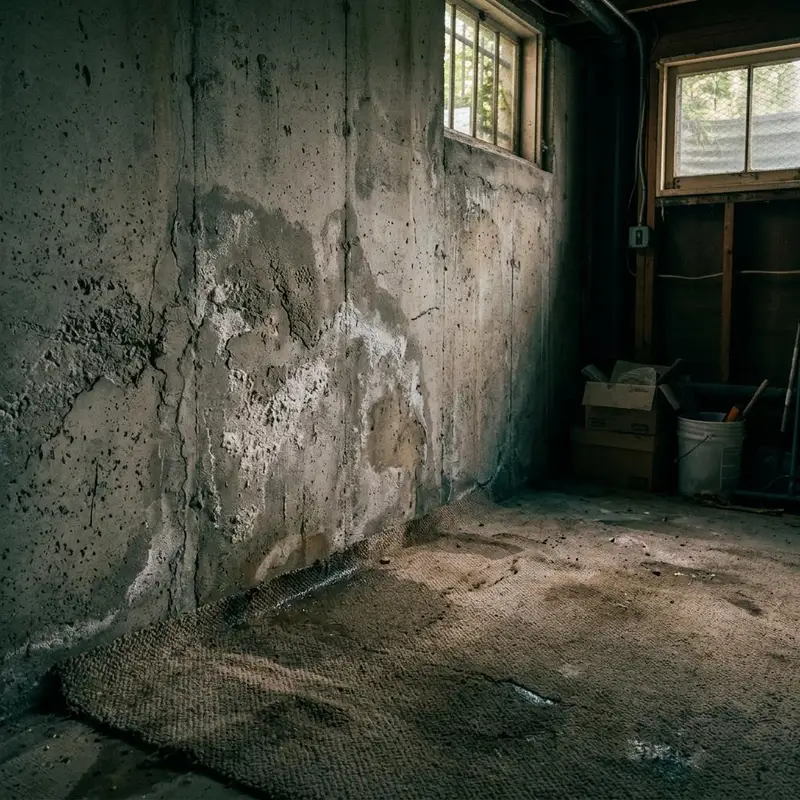
Encapsulation is another technique for situations where mold has affected the subfloor but the damage is not structural. The moldy area is treated with a sealant that locks spores in place, then covered with a new moisture barrier before reinstalling carpet. This is common in basements or rooms with a history of basement moisture. However, encapsulation only works if the subfloor is sound and the moisture source is eliminated. Otherwise, the mold will continue growing beneath the sealant.
When to Call a Professional
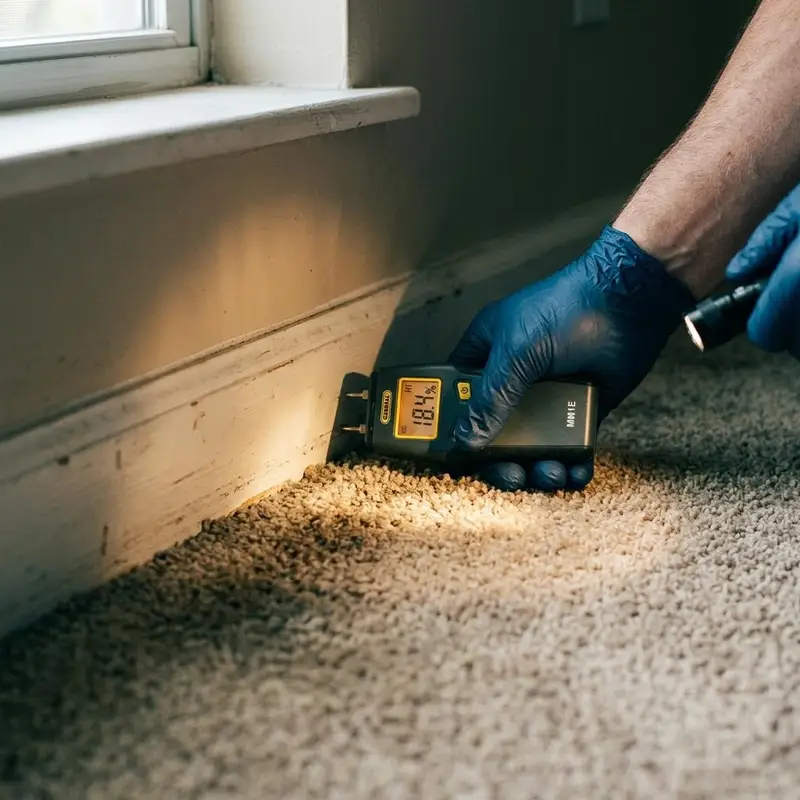
If you suspect mold in carpet padding, the best first step is to have a professional carpet cleaner or mold inspector come out. A professional carpet cleaner can often identify the problem by the smell or by pulling back a corner of the carpet. But for a full assessment, you want someone trained in mold remediation. They will use tools like moisture meters and borescopes to check the subfloor and padding without tearing up the whole room.
Water damage restoration companies also handle this kind of work. They see mold in carpet padding regularly after floods or pipe bursts. They know that the padding has to go, but the carpet might be salvageable if it is cleaned and dried quickly. In many cases, the carpet can be professionally cleaned and reinstalled with new padding, saving homeowners money. But if the carpet itself is moldy, it has to go too.
Prevention: The Smartest Approach
The cheapest and safest way to deal with mold in carpet padding is to prevent it from happening. Start with a moisture barrier under any carpet installed over concrete. In basements, use a vapor barrier on the concrete before laying the pad. In crawl spaces, make sure the ground is covered with a heavy plastic sheet and that vents are open to allow air circulation. A dehumidifier in a damp basement can keep relative humidity below 60 percent, which discourages mold growth.
If you have pets, consider using waterproof carpet padding in areas where accidents are likely. Some modern carpet pads are treated with antimicrobial agents that resist mold and mildew. They cost a bit more, but they save you the headache of remediation later. Also, never let spills sit. Blot them up immediately, then dry the area with a fan or a hair dryer on low heat. The longer moisture sits, the deeper it penetrates into the padding.
Final Thoughts on Hidden Mold
Mold in carpet padding is one of those problems that goes unnoticed until it becomes serious. By then, the remediation is more extensive and expensive. If you notice a musty smell in a carpeted room, or if you have had any water intrusion, check the padding. It might save you from a full-scale mold remediation project down the road. And if you do find mold, remember that removing the padding is usually the only safe option. Trying to clean it in place rarely works, and it can make the indoor air quality worse by disturbing the spores.
I have seen too many homes where a small moisture issue turned into a big mold problem simply because the carpet padding was ignored. With the right approach and a little vigilance, you can keep your carpets and your home healthy.
Ends · MOLDCARPETPADDINGDECK